New Year, New Career? Is Hypnotherapy Training for You?
Considering a career change this year? What a hypnotherapy diploma covers, how training fits around life, and how to tell if it's right for you.

The start of a new year is when many of us take stock. Perhaps you've been drawn to helping people for a long time, or you're already in a caring or coaching role and want a recognised therapeutic skill. If hypnotherapy has crossed your mind, here's a look at what a hypnotherapy diploma actually involves, how it fits around a busy life, and how to tell whether it's the right step for you.
Who is hypnotherapy training for?
It's for people with an interest in others, a willingness to practise and a commitment to working ethically. You don't need a background in therapy. We talk with every applicant before enrolment so that the route is right for you — it's a two-way conversation, not a test.
What does a hypnotherapy diploma cover?
A good diploma takes you from your first induction to your first real client. Our Hypnotherapy Practitioner Diploma runs over ten modules:
Foundations — history, ethics and the neuroscience of trance states.
Session skills — progressive relaxation, rapid inductions and deepeners; goal-setting, scaling and the miracle question.
Working with common issues — calm, evidence-based tools for anxiety and acute stress; systematic desensitisation and reframing; smoking cessation, weight management and behavioural patterns.
Broader applications — chronic pain, medical referrals and boundaries; sports psychology, public speaking and self-belief work; safe approaches to past-event stress and when to refer.
Professional practice — ethics, insurance, supervision and finding your first clients.
Along the way you'll receive a full set of scripts, protocols and session frameworks.
What is a training weekend like?
Each module is two full days at a weekend, either in person or live on Zoom. Seven modules are taught in person at Mendip Spring Golf & Country Club in North Somerset, with refreshments, lunch and complimentary parking included. Modules 3, 6 and 8 are live online. Students from our previous diploma courses describe our training as "very well structured, informative, as well as fun and interactive".
What happens between modules?
You'll complete coursework in your own time through the Hub, our web-based learning platform, with regular monitoring and feedback so you build real understanding as you go. Expect independent study, practical skills work and, if you're working towards the HPD (NCH), portfolio development.
Can I train while working full time?
The weekend format is designed to fit around other commitments. With ten training weekends spread over a year — and three of them online — the course is designed so you can train alongside your current job.
When can I start seeing clients?
Practice builds gradually, and from Module 7 you may begin working with members of the public at a reduced student rate — subject to readiness, supervision and course guidance. That includes insurance and DBS arrangements where required. You'll complete at least five formal case studies before you finish.
What qualification will I get?
You'll receive the NHTA Level 4 Diploma (NHTA Dip.CSFIH) on completing the Academy course, and you can also work towards the HPD (NCH). The HPD is accredited and externally verified by NCFE through the NCH, and benchmarked at Level 4 using Ofqual's RQF level descriptors. We're an NCH Accredited Training School and the APHP recognises our CPD training, with routes into professional membership of both, and eligible graduates may apply for CNHC registration through an approved verifying organisation.
How much does it cost?
£3,475 for the full training, as ten monthly payments of £347.50, or £3,325 if paid in full at the start. Spreading payments across the training year can make the investment easier to plan.
Can hypnotherapy become a career?
Many people train in order to set up their own practice, and the course is designed to prepare you for that. Module 10 is about ethics, insurance, supervision and finding your first clients, and after you qualify, we offer ongoing professional supervision as a separate paid service. We don't make promises about income — that depends on many things, including how and where you choose to practise.
When does the next course start?
The next Diploma starts on 10 April 2027 and finishes in March 2028. January and February are when many people start planning a change, so this is a good time to have a conversation and secure your place.
Five questions to ask yourself
Do I enjoy listening to people and helping them make changes?
Am I willing to practise skills — including on fellow students — and accept feedback?
Can I commit to ten training weekends and study between them?
Am I ready to work ethically, with supervision and insurance in place?
Do I want a recognised qualification rather than a short introduction?
If you answered yes to most of these, hypnotherapy training could be a great fit.
Let's talk
Read the full details of the Hypnotherapy Practitioner Diploma, then contact us to arrange an informal chat. We'd rather talk it through than have you guess — and it could be the start of something new this year.

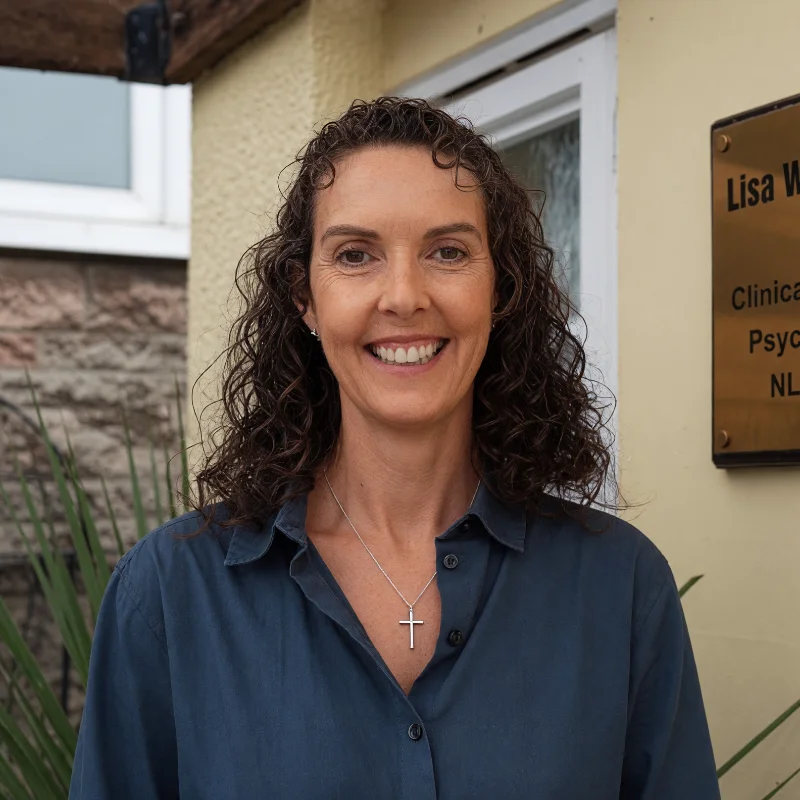
Lisa Williams Edgar
Founder, Director & Senior Trainer · HPD, MNCH (Acc.), NCH Sup, SFBT Sup Hyp
Qualified Clinical Hypnotherapist, Senior Lecturer and Supervisor in Integrative Clinical Hypnotherapy, with additional training in psychotherapy, CBT skills and NLP. Practical and focused on building ethical professional identity.
Meet the Founders →More from the blog
Notes on clinical practice, professional development and the realities of the therapy room.

Hypnotherapy Training in Bristol and the South West
Looking for hypnotherapy training near Bristol? Our NCH-accredited diploma is taught at Mendip Spring, North Somerset, with three modules live on Zoom.

How to Become a Hypnotherapist in the UK: Step by Step
Thinking of a career in hypnotherapy? A step-by-step UK guide: training, accreditation, practice hours, insurance and supervision, from NHTA in Somerset.

Choosing a Hypnotherapy Course: What Accreditation Means
NCH, HPD, APHP, CNHC: what hypnotherapy accreditation actually means and the questions to ask before you choose a UK hypnotherapy training course.