Choosing a Hypnotherapy Course: What Accreditation Means
NCH, HPD, APHP, CNHC: what hypnotherapy accreditation actually means and the questions to ask before you choose a UK hypnotherapy training course.

Search for a hypnotherapy course and you'll soon meet a wall of initials: NCH, HPD, APHP, CNHC, NCFE, RQF. It's easy to feel that you need a dictionary before you can make a decision. This guide explains what those terms mean, why they matter, and the questions worth asking any school — including us.
Is hypnotherapy regulated in the UK?
Hypnotherapy is not regulated by law in the UK in the way that, for example, nursing is; standards are set by professional bodies and voluntary registers. That's exactly why the course you choose matters. A recognised, accredited diploma is what professional bodies, insurers and clients look for as evidence that you trained properly.
What does "NCH accredited" mean?
It means the National Council for Hypnotherapy has accredited the school's training. We're an NCH Accredited Training School. In practice, that means we provide the teaching, assessment guidance and portfolio support you need if you choose to work towards the NCH's own qualification, the HPD.
What is the HPD?
The HPD is the Hypnotherapy in Practice Diploma, a qualification offered through the NCH. It is accredited and externally verified by NCFE through the NCH, with its learning outcomes benchmarked at Level 4 using Ofqual's RQF level descriptors. You'll complete separate HPD requirements and a portfolio, and after external moderation HPD certificates are issued jointly by the NCH and NCFE.
On our course you can gain two qualifications:
The NHTA Level 4 Diploma (NHTA Dip.CSFIH — Diploma in Clinical Solution Focused and Integrative Hypnotherapy), awarded when you complete our course requirements.
The HPD (NCH), which you may also work towards alongside it.
What about the APHP?
The APHP recognises our CPD training and offers a route into professional membership, as does the NCH. Professional membership typically gives you a code of ethics to work within and a professional identity clients can check.
What is the CNHC and do I need to be on it?
The CNHC (Complementary and Natural Healthcare Council) runs a voluntary register for complementary therapists, including hypnotherapists. Registration is voluntary, but some clients and referrers look for it. Registration isn't automatic: eligible graduates may apply for CNHC registration through an approved verifying organisation — worth checking for any course you're considering.
How many hours of training should a good course include?
Look for substantial live teaching, not just self-study. Our Diploma includes 120 live teaching hours across ten modules — seven in person and three live on Zoom — plus independent study, practical skills work and portfolio development between modules. Be wary of very short or fully self-paced courses if your aim is to work with clients professionally.
Online or in person: which is better?
A blend gives you the best of both: hands-on practice in the room, with some flexibility. Hypnotherapy is a practical skill. Watching and practising inductions, working with real people and receiving feedback in person is hard to replicate on screen. That's why seven of our ten modules are taught face to face at Mendip Spring Golf & Country Club in North Somerset, while Modules 3, 6 and 8 are delivered live via Zoom — still live, still interactive, but without the travel.
How is practical work supervised?
Ask how and when you'll start working with real clients, and who supervises you. On our course, practice builds gradually. From Module 7, you may begin working with members of the public at a reduced student rate, subject to readiness, supervision and course guidance. Readiness includes insurance and DBS arrangements where required, demonstrated competence and the right client documentation. Every student completes at least five formal case studies.
Who will be teaching you?
Your trainers should be practising therapists, not just lecturers. Our Diploma is led by founders Lisa Williams Edgar and Angie Hayes, supported by lecturers, supervisors and specialist CPD trainers who all work with clients alongside teaching — so what you learn comes straight from live practice.
What does it cost, and what's included?
Compare the total cost and exactly what it covers. Our Diploma is £3,475 in total — ten monthly payments of £347.50 — or £3,325 paid in full at the start. That covers the full training year and assessment for the Academy diploma, plus refreshments, lunch and parking on classroom days. You'll also get a full set of scripts, protocols and session frameworks, and access to our learning Hub.
When comparing with other schools, check whether prices include assessment, materials, venue costs and any external qualification fees.
What support is there after you qualify?
Good training doesn't end at graduation. After you qualify, we offer professional supervision as a separate paid service, and CPD events for practising therapists.
A checklist to take to any school
Which bodies accredit or recognise the course, and does it meet CNHC requirements?
How many hours are live, and how many in person?
How is client practice supervised, and how many case studies are required?
Who teaches, and do they practise?
What is the total cost, and what's included?
What support is there after qualifying?
Talk it through with us
We'd always rather you made the right choice than a quick one. Read the full details of our Hypnotherapy Practitioner Diploma, and contact us with any questions — we speak with every applicant before enrolment.

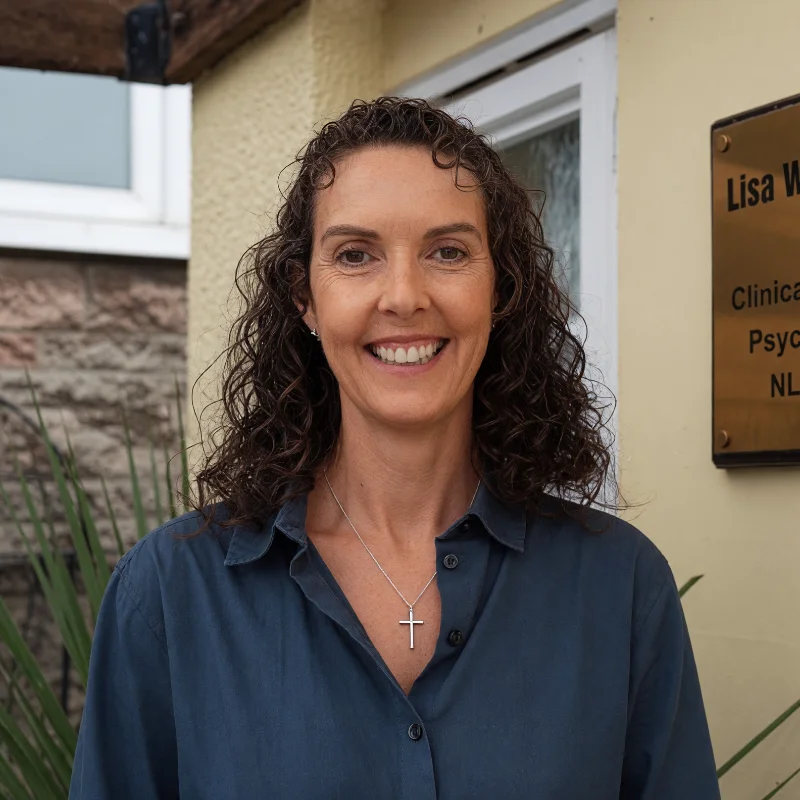
Lisa Williams Edgar
Founder, Director & Senior Trainer · HPD, MNCH (Acc.), NCH Sup, SFBT Sup Hyp
Qualified Clinical Hypnotherapist, Senior Lecturer and Supervisor in Integrative Clinical Hypnotherapy, with additional training in psychotherapy, CBT skills and NLP. Practical and focused on building ethical professional identity.
Meet the Founders →More from the blog
Notes on clinical practice, professional development and the realities of the therapy room.

New Year, New Career? Is Hypnotherapy Training for You?
Considering a career change this year? What a hypnotherapy diploma covers, how training fits around life, and how to tell if it's right for you.

Hypnotherapy Training in Bristol and the South West
Looking for hypnotherapy training near Bristol? Our NCH-accredited diploma is taught at Mendip Spring, North Somerset, with three modules live on Zoom.

How to Become a Hypnotherapist in the UK: Step by Step
Thinking of a career in hypnotherapy? A step-by-step UK guide: training, accreditation, practice hours, insurance and supervision, from NHTA in Somerset.