How to Become a Hypnotherapist in the UK: Step by Step
Thinking of a career in hypnotherapy? A step-by-step UK guide: training, accreditation, practice hours, insurance and supervision, from NHTA in Somerset.

If you've been wondering whether hypnotherapy could be your next career, you're in good company. Many of the people who join our training come from completely different working lives — and what they share is an interest in people and a wish to help them change. This guide walks through the route, step by step, so you can see what's involved before you commit to anything.
Do you need qualifications to become a hypnotherapist?
Short answer: you don't need a degree or previous therapy qualification to start training with us. What we look for is a genuine desire to learn, an interest in people, a willingness to practise, and readiness to work ethically.
We talk with every applicant before enrolment so that the route is right for you. That conversation matters: hypnotherapy training is practical and personal, and it works best when you know what you're signing up for.
Step 1: What kind of hypnotherapy training should you look for?
Look for a structured, accredited diploma with live teaching and supervised practice — not a short online certificate. If you intend to see paying clients, you'll want a qualification that professional bodies recognise and that insurers will accept.
At New Horizon Training Academy, our Hypnotherapy Practitioner Diploma includes 120 live teaching hours across ten modules. Seven modules are taught in person at Mendip Spring Golf & Country Club in Congresbury, North Somerset (near Bristol and Weston-super-Mare, with good links to the M5 and M4), and three are delivered live online via Zoom. Between modules you complete coursework through the Hub, our web-based learning platform, with regular monitoring and feedback.
When comparing courses, ask each school:
How many hours are taught live, and how many of those are in person?
Which professional bodies recognise the qualification?
How is practical work supervised and assessed?
What support is available after you qualify?
Step 2: Which accreditation matters?
Choose a course that leads to recognised professional membership. We're a National Council for Hypnotherapy (NCH) Accredited Training School, the APHP recognises our CPD training, and the course offers a route into NCH and APHP professional membership.
There are two qualifications within our pathway:
NHTA Level 4 Diploma — the New Horizon Training Academy Diploma in Clinical Solution Focused and Integrative Hypnotherapy (NHTA Dip.CSFIH), awarded on successful completion of the Academy course.
HPD (NCH) — the Hypnotherapy in Practice Diploma, which students may also work towards through the NCH. It is accredited and externally verified by NCFE through the NCH, with learning outcomes benchmarked at Level 4 using Ofqual's RQF level descriptors. You'll complete separate HPD requirements and a portfolio; certificates are issued jointly by the NCH and NCFE after external moderation.
We explain accreditation in more detail in our guide to choosing a hypnotherapy training course. The CNHC (Complementary and Natural Healthcare Council) runs the voluntary register for complementary therapists; registration isn't automatic, but eligible graduates may apply for CNHC registration through an approved verifying organisation.
Step 3: What will you learn on a hypnotherapy diploma?
You'll learn the foundations, the techniques, and how to run a safe, ethical practice. Our ten modules move from first principles to working with real clients:
Foundations of Hypnotherapy — history, ethics, and the neuroscience of trance states
Structuring Effective Sessions — progressive relaxation, rapid inductions and deepeners
Building Skills & Understanding Clients — goal-setting, scaling and the miracle question
Deepening Your Approach — calm, evidence-based tools for anxiety and acute stress
Expanding Your Toolkit — systematic desensitisation and reframe techniques
Supporting Change & Motivation — smoking cessation, weight management and behavioural patterns
Habits, Behaviour & Real-Life Application — chronic pain, medical referrals and boundaries
Professional Practice & Support — sports psychology, public speaking and self-belief work
Building Your Practice — safe approaches to past-event stress, and when to refer
Integration, Confidence & Celebration — ethics, insurance, supervision and finding your first clients
You'll also receive a full set of scripts, protocols and session frameworks.
Step 4: How do you get practical experience?
Practice builds gradually, first with fellow students and then — when you're ready — with members of the public under supervision. From Module 7, you may begin working with the public at a reduced student rate, subject to readiness, appropriate supervision and course guidance.
Being "ready" includes appropriate attendance and progress, suitable insurance and DBS arrangements where required, demonstrated competence in initial consultation and practical skills, supervision, and the right client documentation in place. You'll complete a minimum of five formal case studies alongside your wider supervised client practice.
How long does it take to become a hypnotherapist?
Our diploma runs over a training year. The next cohort runs from April 2027 to March 2028, with each module taught over a weekend (two full days). Expect additional independent study, practical skills work and portfolio development between taught modules. Any outstanding requirements need to be completed within the completion period set out in your enrolment documents.
How much does hypnotherapy training cost?
Our full Diploma costs £3,475, payable as ten monthly payments of £347.50, or £3,325 if paid in full at the start (a £150 saving). The fee covers the whole training year and assessment for the Academy diploma. On in-person days, refreshments, lunch and parking at Mendip Spring are included. HPD registration and assessment are included in the £3,475, and NCH student membership is free for 18 months while you study. Beyond that, budget for student insurance once you start client practice (as a guide, around £41 a year; check it covers reduced-fee client sessions) and, where appropriate, an Enhanced DBS check (about £60–£70 in total, including the £41 government fee).
Step 5: What happens after you qualify?
You'll set up your practice with insurance, supervision and ongoing professional development. Module 10 covers ethics, insurance, supervision and finding your first clients, and after you qualify, we offer ongoing professional supervision as a separate paid service. We also run CPD events and supervision for practising hypnotherapists.
Who teaches the course?
The Diploma is led by our founders, Lisa Williams Edgar and Angie Hayes, both practising clinical therapists. Lisa is a qualified Clinical Hypnotherapist, Senior Lecturer and Supervisor in Integrative Clinical Hypnotherapy, with additional training in psychotherapy, CBT skills and NLP. Angie is a Clinical Hypnotherapist, Psychotherapist and Solution Focused Brief Therapist who trained with BRIEF International. They're supported by experienced lecturers, supervisors and specialist CPD trainers, all of whom work with clients alongside teaching.
Ready to take the first step?
If you're curious whether hypnotherapy is the right path, the best next step is a conversation. Have a look at the Hypnotherapy Practitioner Diploma, then get in touch — we'd rather talk it through than have you guess. If you're thinking about the April 2027 cohort, it's worth speaking to us early.

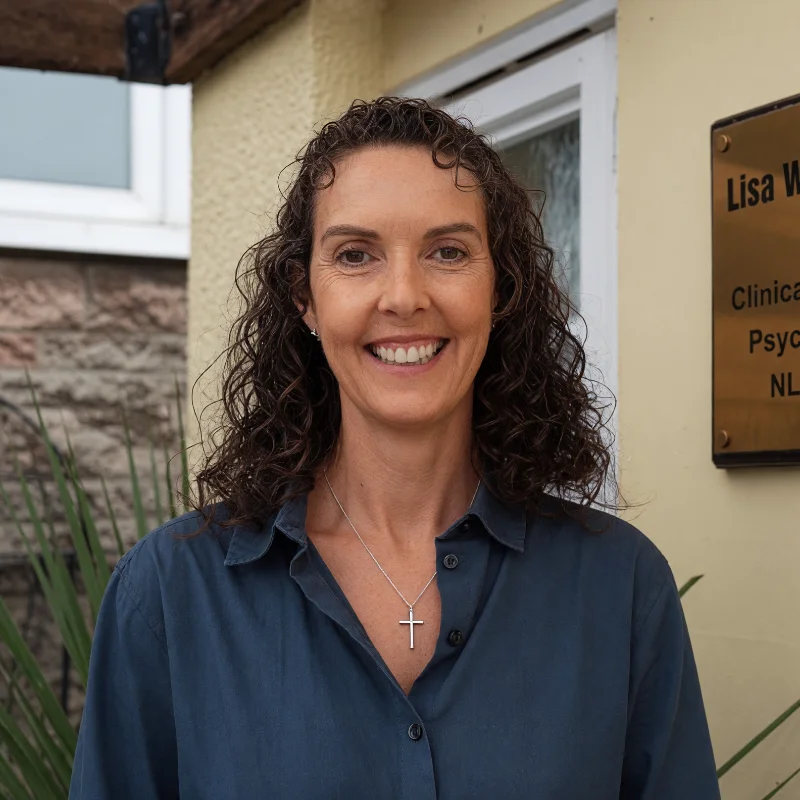
Lisa Williams Edgar
Founder, Director & Senior Trainer · HPD, MNCH (Acc.), NCH Sup, SFBT Sup Hyp
Qualified Clinical Hypnotherapist, Senior Lecturer and Supervisor in Integrative Clinical Hypnotherapy, with additional training in psychotherapy, CBT skills and NLP. Practical and focused on building ethical professional identity.
Meet the Founders →More from the blog
Notes on clinical practice, professional development and the realities of the therapy room.

New Year, New Career? Is Hypnotherapy Training for You?
Considering a career change this year? What a hypnotherapy diploma covers, how training fits around life, and how to tell if it's right for you.

Hypnotherapy Training in Bristol and the South West
Looking for hypnotherapy training near Bristol? Our NCH-accredited diploma is taught at Mendip Spring, North Somerset, with three modules live on Zoom.

Choosing a Hypnotherapy Course: What Accreditation Means
NCH, HPD, APHP, CNHC: what hypnotherapy accreditation actually means and the questions to ask before you choose a UK hypnotherapy training course.