
Energy Psychology & EFT: The Science Behind the Tapping (And Why It’s Not Just Woo) By Angie | New Horizon Training Academy
Energy Psychology & EFT: The Science Behind the Tapping

In our last newsletter, we looked at trauma and how it can quite literally take up residence in the body - in my case, as hair loss (a dramatic exit stage left for my follicles).
Since then, my fascination with the mind-body connection has only deepened. Specifically, I’ve been exploring what our nervous system actually needs to feel safe - and how we, as practitioners, can support it.
I’ve even become my own case study! I’ve been trialling some of these tools and techniques on myself (with great effect - and yes, still a work in progress). I’ll be pulling all of this together for a brand new CPD in Spring/Summer 2026, so watch this space.
But for now, I’d love to share some reflections on a field that’s really caught my attention lately: Energy Psychology.
More specifically: EFT – Emotional Freedom Techniques.
“It’s just tapping, right?”
Well, yes… and no.
There’s a common perception that EFT is a bit woo-woo, or a last resort for those who have run out of other options. However - the science is catching up, and it’s catching up fast.
In fact, EFT is one of the most researched mind-body approaches for trauma. It’s deceptively simple, but deeply powerful - when used with skill and understanding.
Let’s break it down.
What Is EFT, Really?
First, a bit of context. EFT exists within the broader field of Energy Psychology, which includes practices like breathwork, grounding and orientation, EMDR, guided imagery, and anchoring.
Within that landscape, EFT is one of the most accessible tools we can add to our therapeutic toolkit. It involves tapping on specific meridian points while focusing on an emotion, memory, or belief - aiming to disrupt the physiological stress response while keeping the issue in mind.
There are two types of EFT you might come across:
Palliative EFT: Offers symptomatic relief. It can be effective for simple phobias, stress, or anxiety and is what we’ll be covering in our upcoming CPD.
Clinical EFT: A deeper, structured method used to work through trauma, complex phobias, and PTSD. This requires full certification and in-depth training over several days with an accredited trainer.
What the Research Says (And It’s a Lot)
Let’s take a look at where the evidence is up to as of 2023:
176 published studies
88 randomised controlled trials (RCTs)
99% reported positive outcomes.
3 major meta-analyses covering:
• Anxiety
• Depression
• PTSD
All showed large effect sizes, with PTSD outcomes particularly promising.
And if that’s not enough, a recent RCT in the U.S. working with veterans found:
After just 6 hours of treatment, 86% no longer met the clinical criteria for PTSD.
EFT was twice as effective and took half the time compared to ‘prolonged exposure’ therapy.
So no, it is not just tapping.
How EFT Works: The Three Key Scientific Foundations
Let’s explore the theory behind the technique, drawing on some compelling neuropsychological frameworks:
1. Interpersonal Neurobiology (Dr. Dan Siegel)
Siegel’s collaborative work across psychology, neuroscience, and anthropology brought us this definition:
“The mind regulates the flow of information and energy over time.”
He argues that the mind is both:
Embodied (brain, nervous system, immune system…), and
Interpersonal (between people - think therapeutic relationship, mirror neurons, co-regulation)
Healthy functioning comes when we stay in the River of Integration - not veering off into Chaos or Rigidity.
EFT helps keep us in that flow by intentionally shifting energy and information throughout the system - quickly, gently, and holistically.
2. Polyvagal Theory (Dr. Stephen Porges)
The vagus nerve, as many of you know, is essentially the body's internal safety officer. It’s one job is to ask:
“Am I safe?”
When the answer is no, the stress response kicks in - no permission needed from the neocortex. In healthy function, the vagal system acts as a brake on the heart to prevent overactivation.
But trauma - particularly early trauma in childhood - disrupts this braking system.
The result?
Clients may become emotionally dysregulated, overreactive, and slow to recover from stress.
EFT works by helping re-engage the vagal brake.
As therapists, when we tap with clients, we co-regulate. Our calm becomes their calm. The therapeutic space becomes a place of physiological safety.
3. Memory Reconsolidation
Here is the magic: when we recall a traumatic memory in a calm physiological state, we can change the emotional signature attached to it.
If the client reprocesses that memory while feeling safe and grounded - the brain stores it differently. This is the heart of memory reconsolidation.
EFT supports this by letting the client hold the memory and feel calm, simultaneously - often leading to powerful cognitive shifts that arise spontaneously.
A Word of Caution About EFT Training
You may see CPDs advertising “EFT certification.” However, clinical EFT takes more than a one-day course.
It is not about tapping randomly while saying “I deeply and completely accept myself.” The true value lies in how we question a traumatised client, break down core beliefs, and gently process each part without retraumatising them.
At New Horizon Training Academy, our ethos is honesty, ethical integrity, and depth. Our upcoming CPD will cover the palliative approach to EFT - useful for symptomatic relief and increasing awareness.
We won’t be offering full certification just yet, but we encourage you to research accredited training if you want to use this clinically. Done well, it is one of the kindest, most effective tools you can use with trauma clients.
?️ Want to Learn More?
Here are some helpful links to EFT Training Providers:
Warmest wishes,
Angie
New Horizon Training Academy

More from the blog
Notes on clinical practice, professional development and the realities of the therapy room.

Being Comfortable with Silence
Two women walking along a beach in Cape Verde with the words “Let’s be comfortable for a while with silence”, illustrating a New Horizon Training Academy reflection on therapeutic silence in hypnotherapy practice.
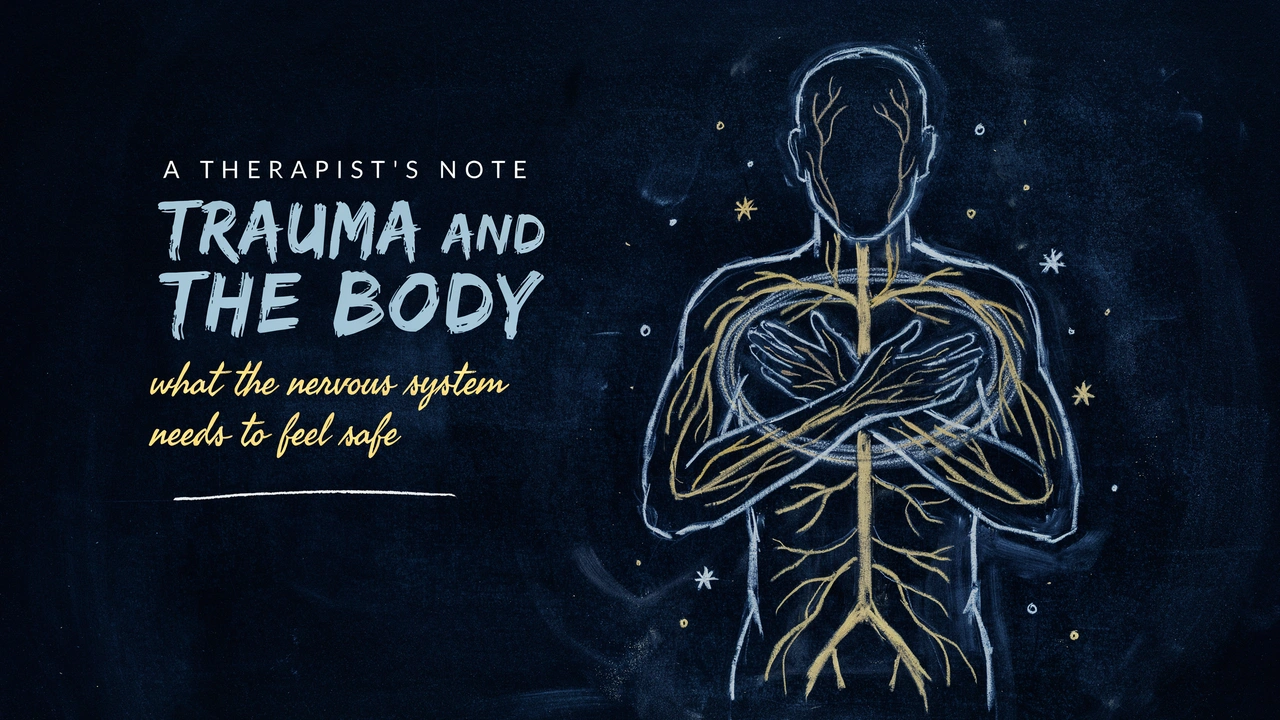
Trauma and the body: what the nervous system needs to feel safe
Trauma can quite literally take up residence in the body. A look at the mind–body connection, what our nervous system needs to feel safe — and how, as practitioners, we can support it.
Spring Blog: Solution Focused Hypnotherapy and Borderline Personality Disorder (BPD)
Understanding Borderline Personality Disorder (BPD)